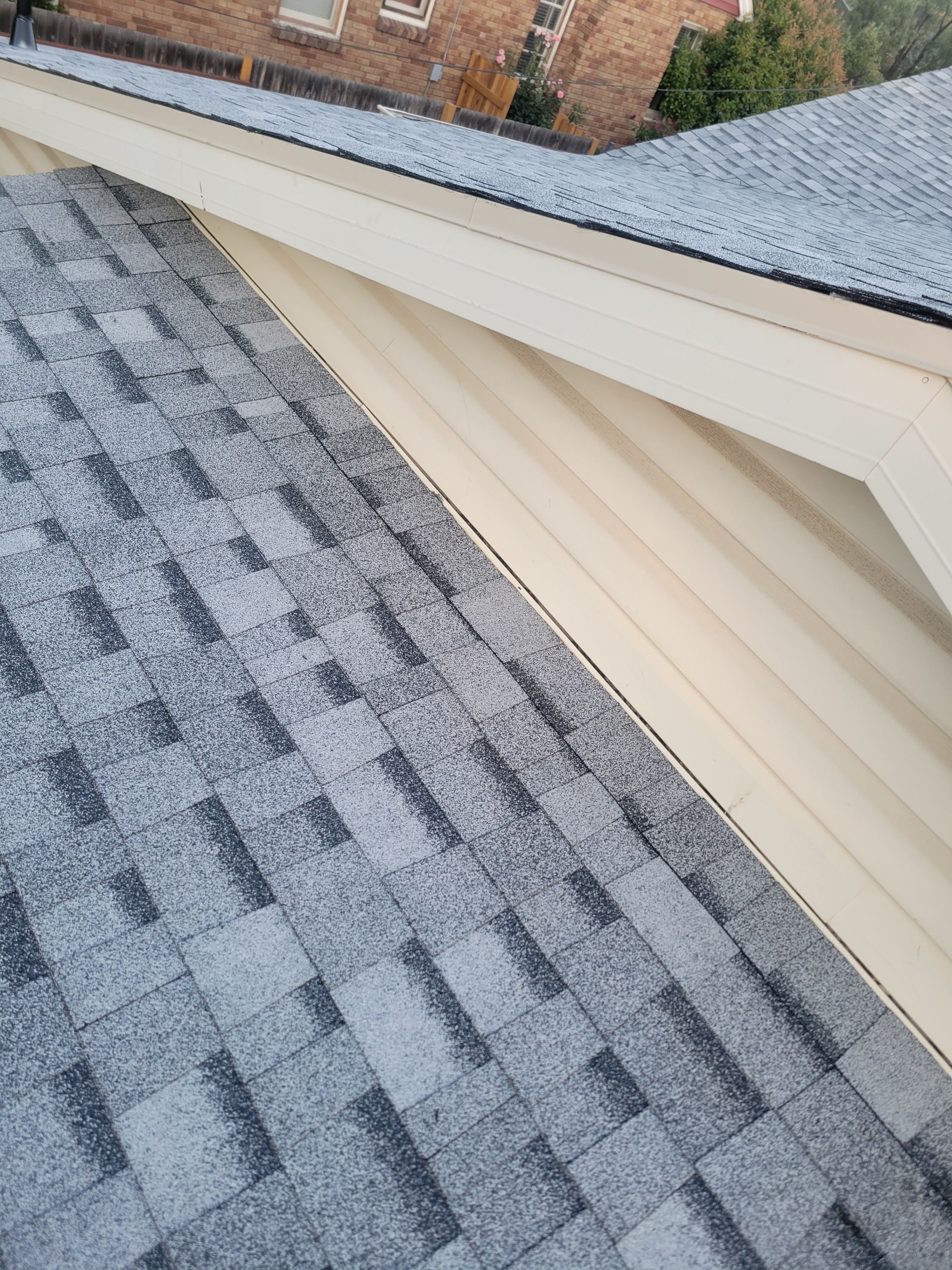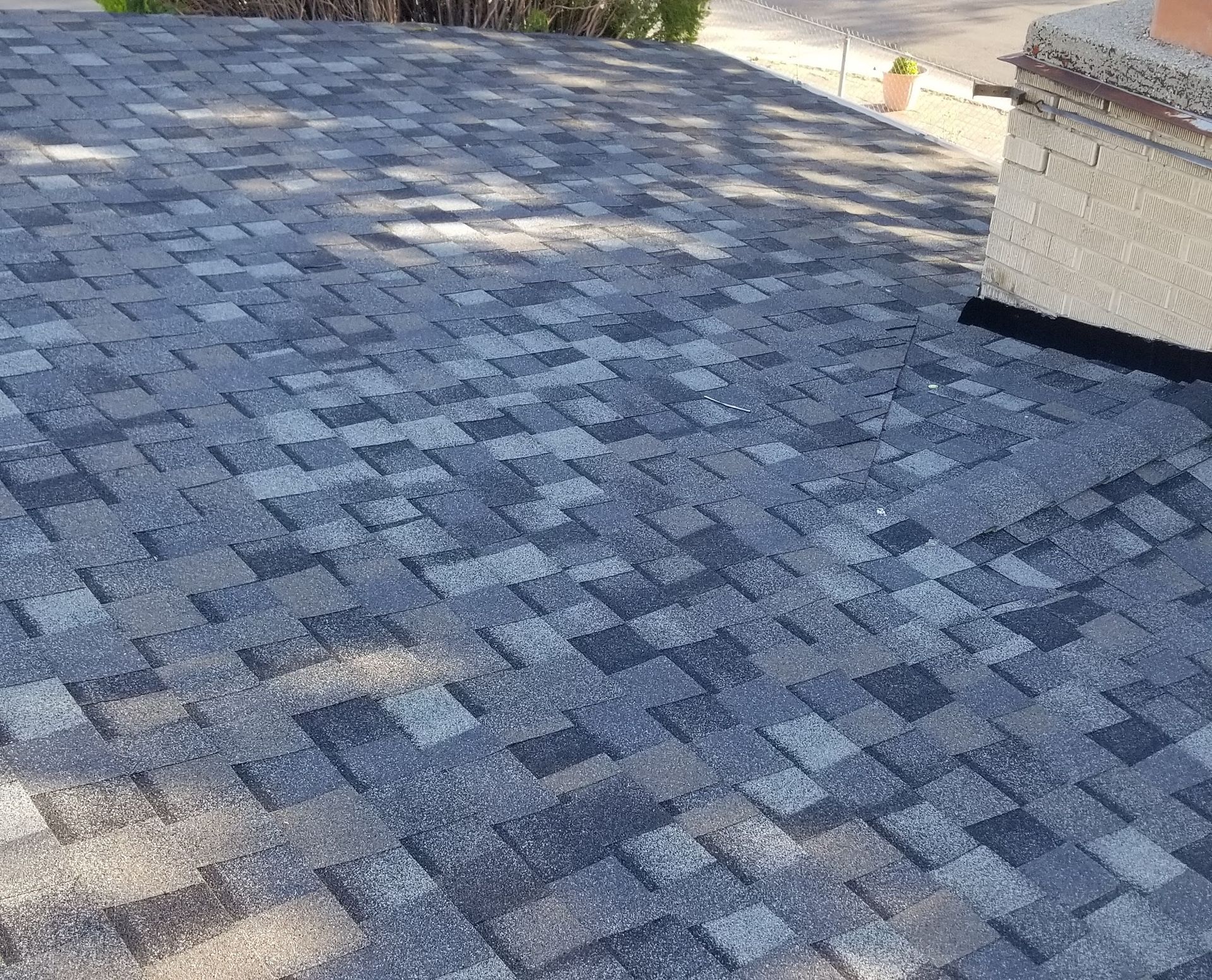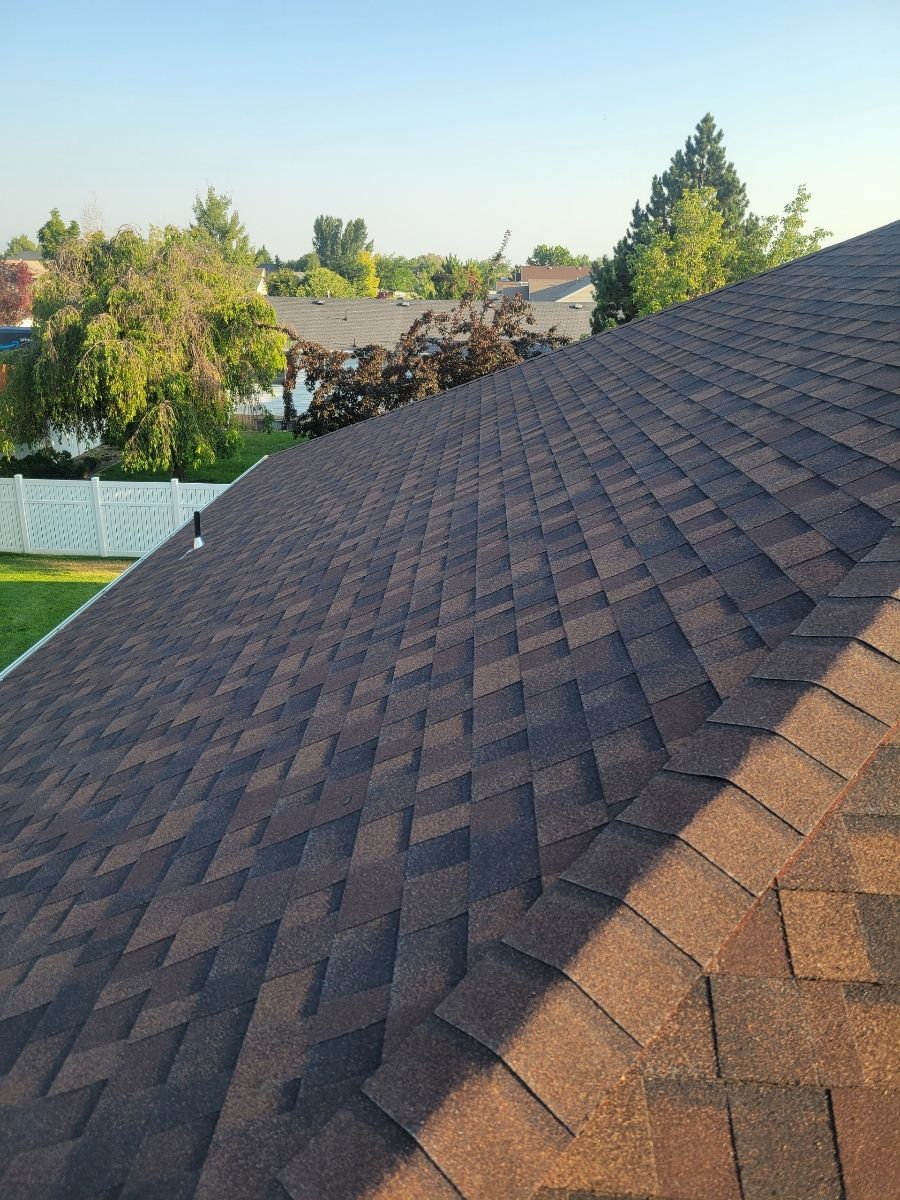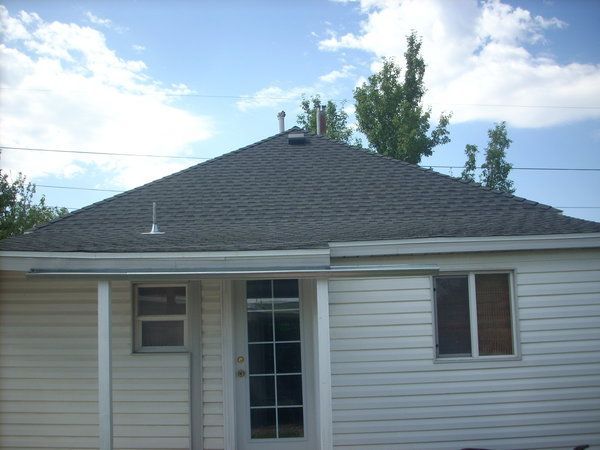
Protection Systems That Prevent Foundation Damage
Gutter and Siding Installation Content Notes in Taylorsville for properties where water management and exterior durability directly affect long-term structural integrity
Water running off your roof without a controlled path finds its way to your foundation, where it saturates soil, creates hydrostatic pressure, and eventually leads to basement seepage or slab cracking. Zaim Roofing, LLC installs gutter systems in Taylorsville that channel roof runoff away from the foundation perimeter while coordinating siding installation to seal exterior walls against wind-driven rain and temperature fluctuations. Homes in areas with clay-heavy soil see the most dramatic foundation movement when water isn't managed properly at the roofline.
Gutter installation involves securing troughs along the eave edge with hangers spaced to prevent sagging under snow load or debris accumulation, then positioning downspouts to discharge water at least six feet from the foundation. Siding installation requires removing old materials, inspecting sheathing for moisture damage or rot, installing weather-resistant barriers, and fastening panels with expansion gaps that accommodate temperature swings without buckling. These systems work together—gutters control vertical water flow while siding blocks horizontal water intrusion.
Schedule a property evaluation to identify drainage patterns and siding vulnerabilities specific to your home's orientation and grading.
What Proper Gutter and Siding Systems Accomplish
Gutters installed with correct pitch—typically one-quarter inch per ten feet of run—move water steadily toward downspouts without allowing standing pools where mosquitoes breed or ice forms during freeze-thaw cycles. Siding designed for Utah's climate handles both summer heat that can warp vinyl and winter cold that makes brittle materials crack, with options ranging from fiber cement that resists hail impact to engineered wood that maintains dimensional stability across temperature extremes.
After installation, you'll notice soil around your foundation stays drier during rainstorms, preventing the muddy perimeter that signals poor drainage, and exterior walls no longer show watermarks below windows or at panel seams where wind pushed rain through gaps. Gutters with leaf guards reduce the twice-yearly cleaning cycle, while siding with interlocking edges eliminates the drafts that made certain rooms harder to heat. The combination protects both the structural envelope and the interior climate control you've invested in.
Gutter and siding projects often coordinate with roof replacements because the eave edge and fascia board interface with all three systems—addressing them together avoids the inefficiency of tearing apart recent work to access underlying components. Material selection depends on factors including fire rating requirements, HOA guidelines, and whether your home's exposure to afternoon sun accelerates fading on south-facing walls.
Answers to Frequent Service Questions
Homeowners in Taylorsville often ask about installation timing, material longevity, and how these systems integrate with existing roof structures before committing to exterior upgrades.
What happens during a gutter and siding installation estimate?
The evaluation includes measuring roof edge length, counting corners and downspout locations, inspecting fascia board condition, checking wall sheathing where siding attaches, and noting grading around the foundation to determine downspout discharge placement.
How do seamless gutters differ from sectional gutters?
Seamless gutters are formed on-site from a continuous roll of aluminum, eliminating joints where leaks typically develop, while sectional gutters snap together in ten-foot lengths with connectors that require sealant and eventually separate as expansion and contraction cycles stress the joints.
When should siding be replaced rather than repaired?
Replacement makes sense when more than thirty percent of panels show damage, when you find moisture or mold on the sheathing behind existing siding, or when the material has reached the end of its expected service life—typically twenty to thirty years for vinyl and forty to fifty years for fiber cement.
Why does gutter pitch matter for water flow?
Pitch creates the velocity needed to carry leaves and granules toward downspouts instead of letting debris settle in the trough, and incorrect pitch allows standing water that freezes into ice dams or supports algae growth that clogs the system.
What siding options handle Utah's temperature swings best?
Fiber cement remains dimensionally stable across the temperature range Taylorsville experiences, resists hail damage common during spring storms, and holds paint finishes longer than materials that expand and contract more dramatically with heat and cold.
Zaim Roofing, LLC coordinates gutter and siding installations with complete roofing projects to provide comprehensive exterior protection that addresses water management from multiple angles. Request a detailed estimate to review material options and installation approaches tailored to your home's specific drainage and exposure conditions.