Residential Roof Repair vs. Replacement in Taylorsville: How to Know Which One You Need
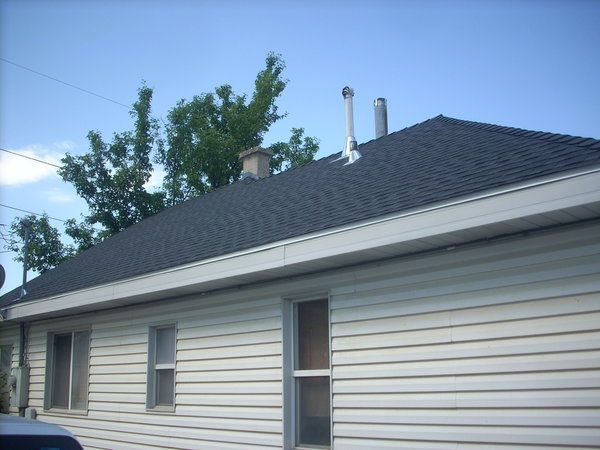
If you have noticed a leak, a few missing shingles, or storm damage on your Taylorsville home, the first real question is not how much it costs — it is whether a repair will actually fix the problem or just delay a bigger expense. At roughly 4,300 feet in the Salt Lake Valley, Taylorsville roofs face freeze-thaw cycling that can turn a small crack into a rotted deck section over a single winter, which means the stakes of choosing wrong are higher here than in milder climates.
This guide walks you through the decision framework that roofing professionals use so you can go into any contractor conversation informed, not pressured.
Why Taylorsville Roofs Age Differently Than the National Average
Taylorsville roofs deteriorate faster than the often-cited 20-year benchmark because of elevation-driven UV exposure, repeated freeze-thaw cycles from October through March, and periodic canyon wind events that lift and stress shingles.
Asphalt shingles at this elevation lose granules and become brittle faster than at sea level. A roof that would have 20 years of life on the coast may show replacement-level wear at 14 or 15 years here. Overnight hard freezes following daytime thaws force water into micro-cracks, expanding them and attacking the underlayment and decking below the surface — damage you cannot see from the ground.
Much of Taylorsville's housing stock was built between the 1960s and 1990s. Many of those homes have original decking with minimal ventilation, and some have already had one re-roof layered over the original shingles. If your home falls in that category, you may be at the maximum allowable layer count, making a full tear-off replacement the only code-compliant path forward regardless of surface appearance.
What Is the Core Decision Framework for Repair vs. Replacement?
Repair makes sense when damage is isolated to a small, defined area, the roof is under 15 years old in the Taylorsville climate, less than 25–30 percent of the surface is compromised, and the decking beneath shows no widespread rot or moisture damage.
Replacement makes more financial sense when the roof is 20 or more years old (or 15-plus given local UV and freeze-thaw conditions), when multiple slopes show granule loss, curling, or cracking, or when a professional roof inspection finds decking damage in more than one area. The practical tipping point most contractors use is the 50 percent rule: if the estimated repair cost exceeds half the cost of a full replacement, the math almost always favors replacing.
For Taylorsville homes being sold or refinanced, a full replacement also protects the appraisal value in a way that a patchwork repair history typically does not.
How Many Repairs Before Replacement Makes More Sense Financially?
One isolated repair on a mid-life roof is usually the right call. Two or three repairs on the same or nearby areas within three to five years is a strong financial signal to get a replacement assessment, because cumulative repair costs are approaching replacement cost with shrinking protection in return.
Recurring repairs in the same location almost always point to an underlying issue — failing flashing, inadequate ventilation, or decking that has absorbed moisture over time. Surface patching does not fix any of those root causes. When minor repairs in the Taylorsville market run $150–$600 and moderate flashing or section repairs run $500–$1,500, three or four service calls can quietly accumulate toward the $3,000–$4,500 range. At that point, the $8,000–$18,000 cost of a full replacement starts to look like the more rational 20-to-30-year investment.
Does Storm or Wind Damage in Taylorsville Typically Mean Repair or Replace?
One to three missing or lifted shingles with no decking exposure is generally a straightforward repair. Wind damage across a full slope or multiple slopes requires an inspection before any call is made — it may qualify as a covered insurance event, which can shift the entire financial equation toward replacement at low out-of-pocket cost.
Hail events along the Wasatch Front are especially deceptive. Visual dents or bruising may look minor, but widespread granule loss across the surface dramatically shortens remaining shingle life. A documented inspection creates the record needed for an insurance claim, and in many hail cases the insurer covers a full replacement that would otherwise seem unaffordable. Ice dam water intrusion is another local trigger: if water has backed up under shingles and reached the decking, the decking condition — not the shingles — determines whether repair is viable.
The Fall Window: Why Timing Matters for Taylorsville Homeowners
September through November is the optimal pre-winter window to address any roofing concern in the Salt Lake Valley, because roofing adhesives need ambient temperatures above roughly 40°F to bond properly — a threshold that becomes unreliable once December arrives.
A roof that leaks occasionally in October can become a structural decking problem by February after repeated freeze-thaw cycles work water deeper into the substrate. Catching the issue now means materials can be properly sealed, contractor schedules are still accessible before the winter backlog, and you avoid the compounding damage that turns a repair-eligible roof into a full replacement situation. You can learn more about the Taylorsville service area to confirm local availability before the pre-winter rush.
What Does a Professional Roof Inspection Actually Reveal?
A professional inspection goes well beyond what you can see from the ground or a ladder: it maps granule loss across the full surface, probes the decking for soft spots and moisture content, checks flashing integrity at chimneys, vents, and valleys, examines attic ventilation and any moisture staining on insulation, and counts existing shingle layers to determine if tear-off is required.
Flashing failure at penetrations is the leading cause of leaks that homeowners cannot trace, and it is invisible without walking the roof. Attic moisture can indicate that ventilation deficiencies are cooking the shingles from below, shortening life independent of surface wear. Photographic documentation from a professional inspection also creates the paper trail needed if a storm damage insurance claim becomes relevant. A DIY assessment from the yard can identify obvious missing shingles, but it cannot determine whether repair treats the cause or just covers a symptom that will reappear.
When the inspection reveals widespread issues, that data point is what moves a cost-conscious homeowner from 'maybe I can patch this' to a clear, evidence-based replacement decision — which prevents a much larger unplanned expense mid-winter.
Knowing whether your roof is a repair or a replacement candidate before picking up the phone puts you in a much stronger position to evaluate any estimate you receive.
Schedule an inspection with Zaim Roofing, LLC this fall to get a clear answer on your home's condition before the first hard freeze changes the options available to you.