Herriman's Wind and UV Exposure Require Strategic Roof Planning
How Benches and High-Desert Positioning Affect Shingle Life
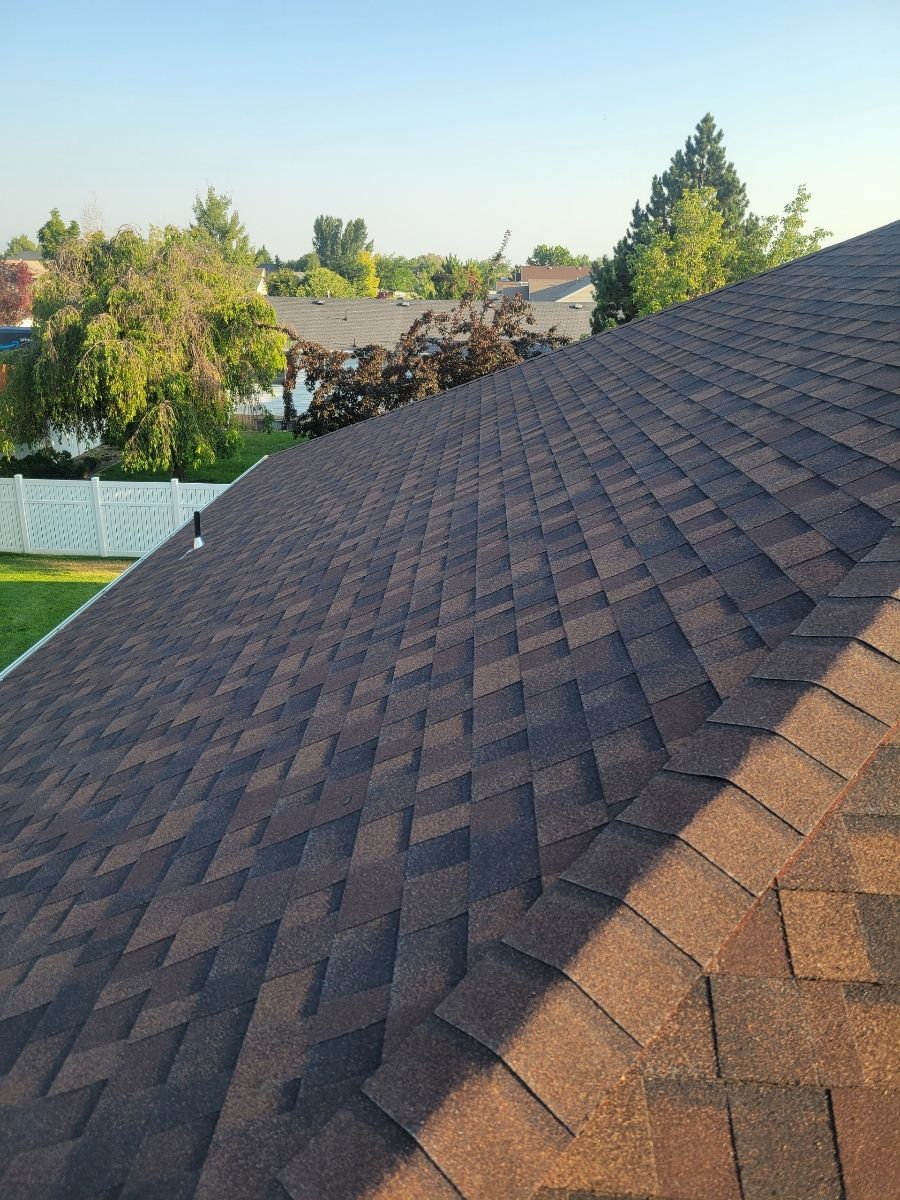
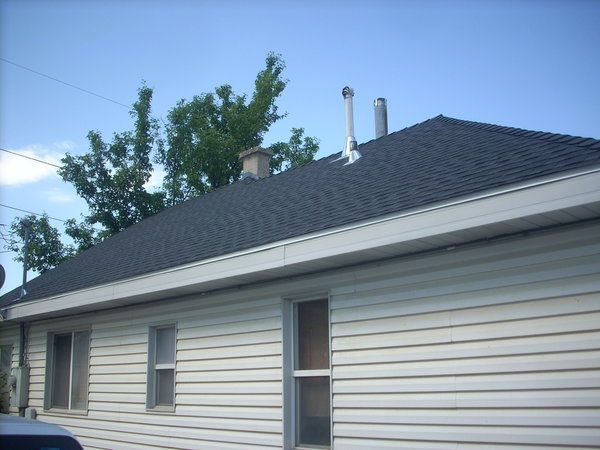
When dealing with roofing in Herriman, the city's elevation along the western benches creates exposure challenges that go beyond typical suburban installations. Wind lifts shingles more aggressively on hillside lots, and the high-desert sun accelerates granule loss on south-facing slopes. Homes near the Butterfield Canyon corridor face sustained westerlies that test fastener patterns, while properties along the Rosecrest and Herriman Towne Center areas contend with reflected heat from hardscaping that compounds UV degradation.
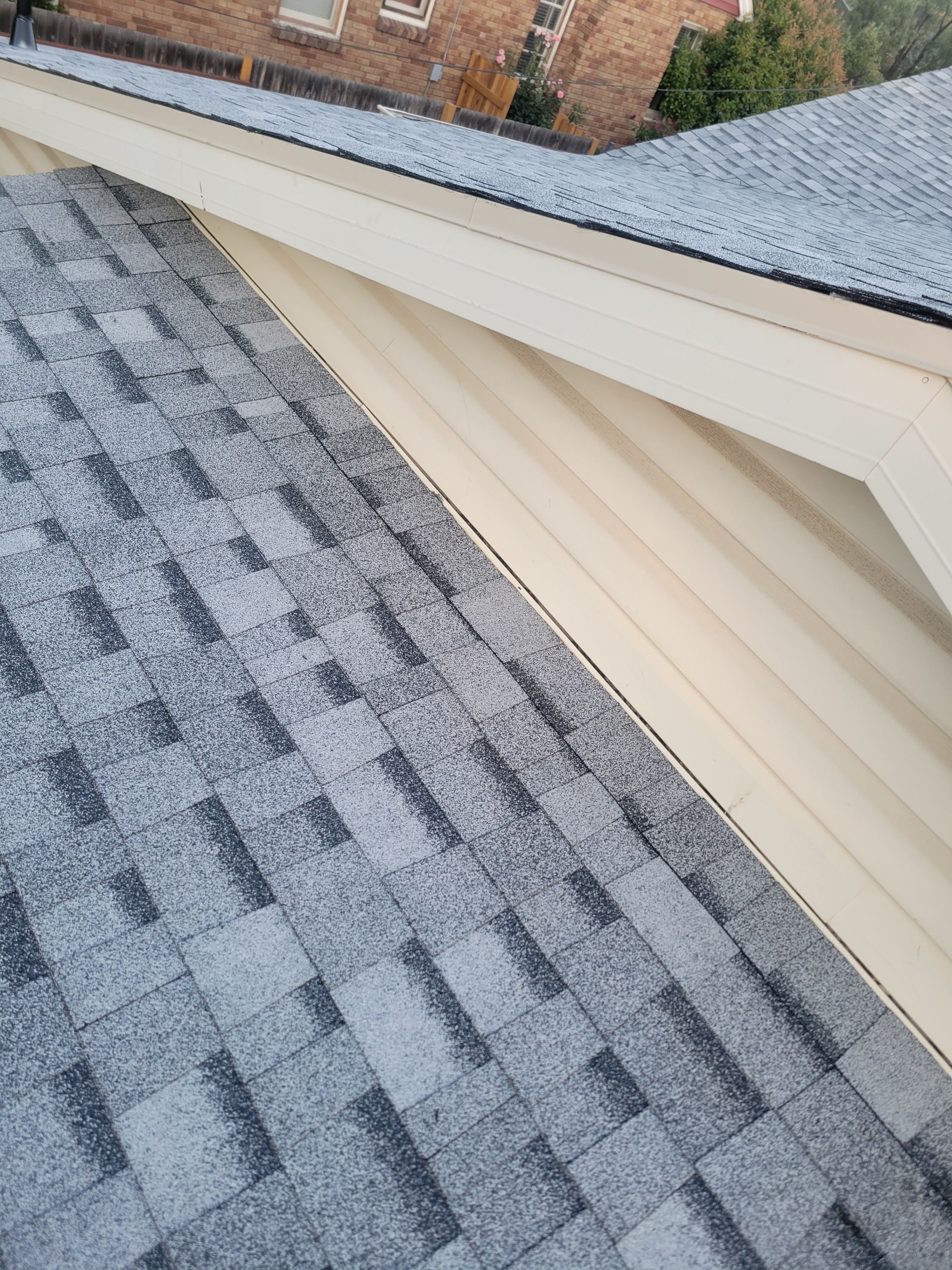
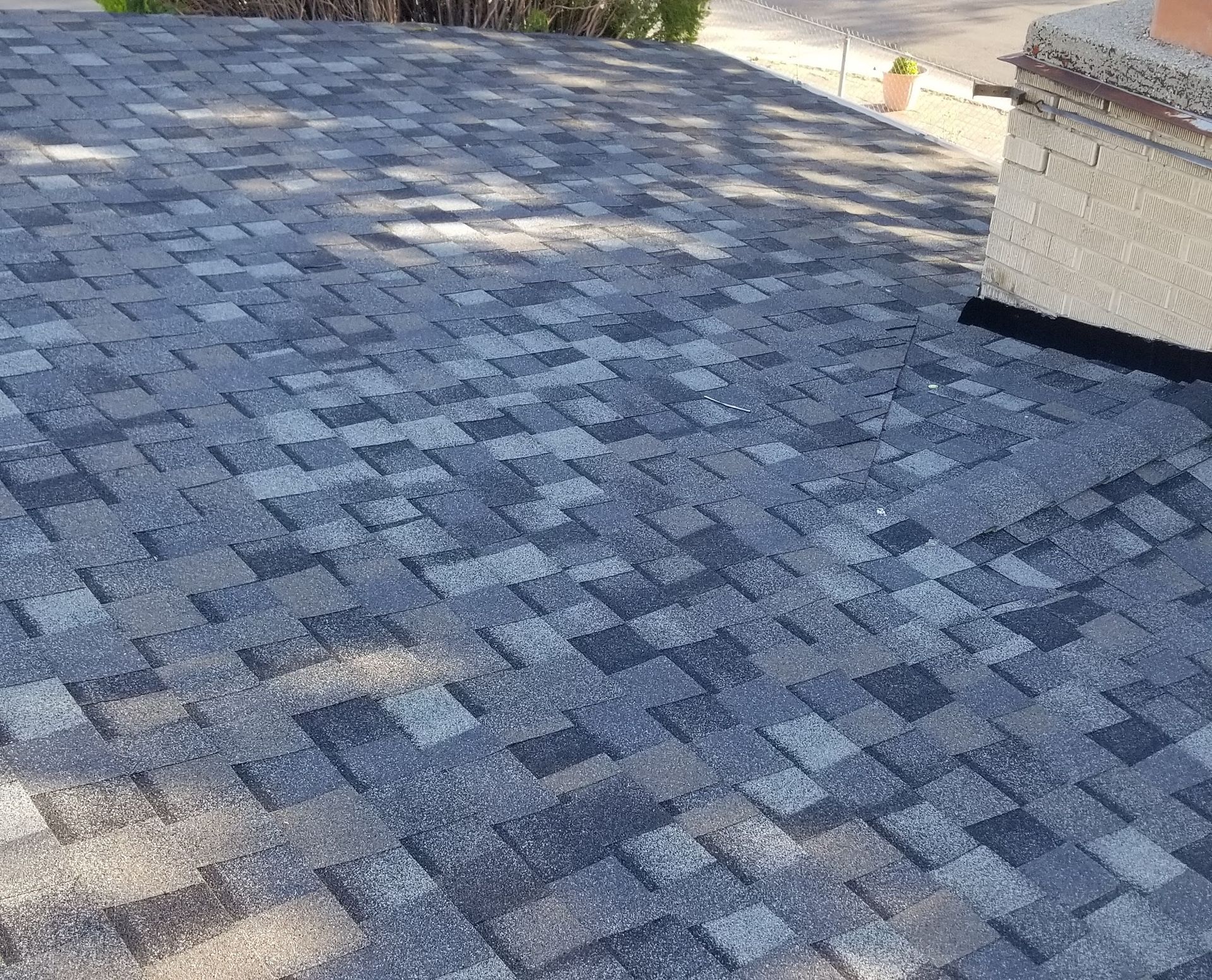
Zaim Roofing, LLC works with these topographic realities by adjusting starter courses and hip treatments where wind load is highest, ensuring shingles stay sealed through temperature swings that can reach forty degrees in a single day. You'll notice fewer lifted tabs and longer color retention when installation accounts for local wind direction and slope orientation, giving you a roof that holds up to what Herriman's weather actually delivers rather than what generic specs assume.
Material Selection That Responds to Elevation and Sun Intensity
Shingle weight matters more at this altitude because thinner products lose adhesive bond faster under UV stress, and the cost difference between standard and impact-rated materials often pays back within the first hailstorm. Underlayment choice affects ice-dam risk during those February freeze-thaw cycles when daytime melt refreezes overnight along eaves, and ventilation design determines whether your attic traps heat that shortens shingle life by years.
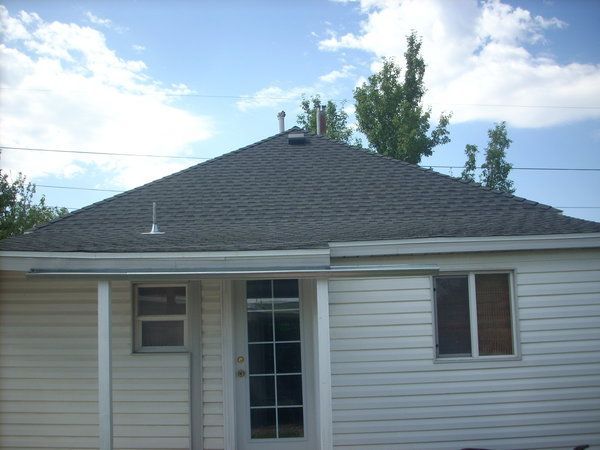
Ridge venting paired with soffit intake creates convective flow that pulls heat out before it cooks your decking, and flashing around chimneys and skylights needs sealant formulations that stay flexible through Utah's dry winters without cracking. The result is a roof system where every layer works together to manage heat, moisture, and mechanical stress, so you're not replacing failed components piecemeal or dealing with leaks that start small and spread through the decking before you notice interior staining.
If you need roofing solutions built for Herriman's bench climate and exposure, get in touch to discuss how material and installation choices adapt to your property's specific conditions.
Common Failure Points in High-Desert Roof Systems
Roofing challenges in Herriman cluster around a few predictable stress points that reveal whether the installation was designed for local conditions or simply followed generic instructions. Recognizing these vulnerabilities helps you evaluate whether a roof will perform through decades of wind, sun, and freeze-thaw cycles or require costly intervention within the first five years.
- Hip and ridge caps that lift along Herriman's west-facing slopes during March windstorms, exposing fasteners to moisture infiltration
- Inadequate starter strip adhesion on steep pitches, leading to edge blow-offs that let water behind shingles and into the decking
- Soffit vents blocked by insulation or debris, trapping attic heat that accelerates granule loss and shortens shingle life by thirty percent
- Step flashing around chimneys installed without kick-out diverters, channeling runoff directly into wall cavities during spring snow melt
- Valley metal undersized for high-volume runoff during summer thunderstorms, causing overflow that saturates roof edges and rots fascia boards
Addressing these details during installation means your roof sheds water correctly, ventilates consistently, and resists wind uplift across the full span of hips and valleys. You avoid the pattern of small failures compounding into major repairs, and your roofing investment delivers the decades of protection you're paying for. Contact us to review how installation practices align with what Herriman's climate demands from every roof component.