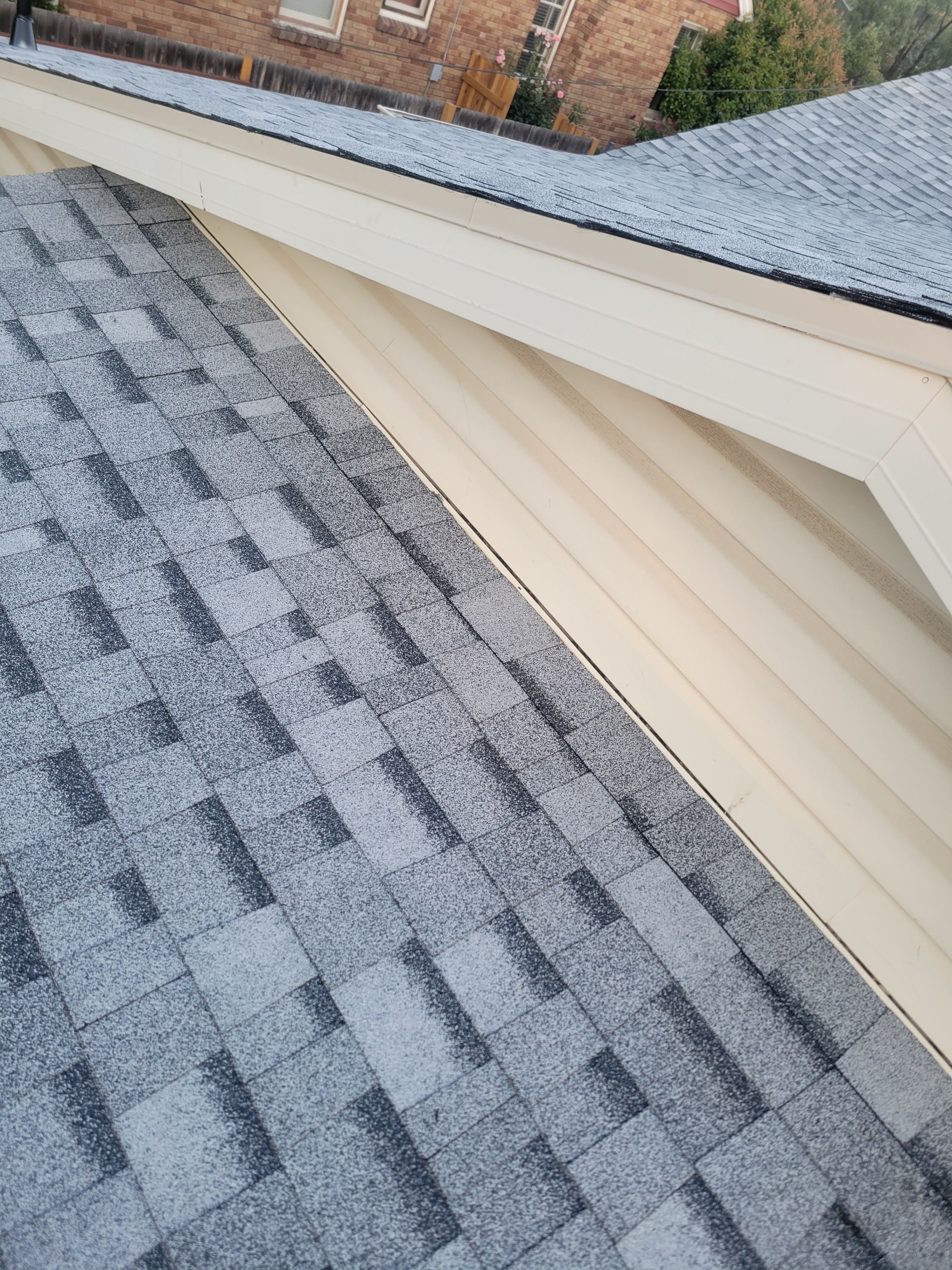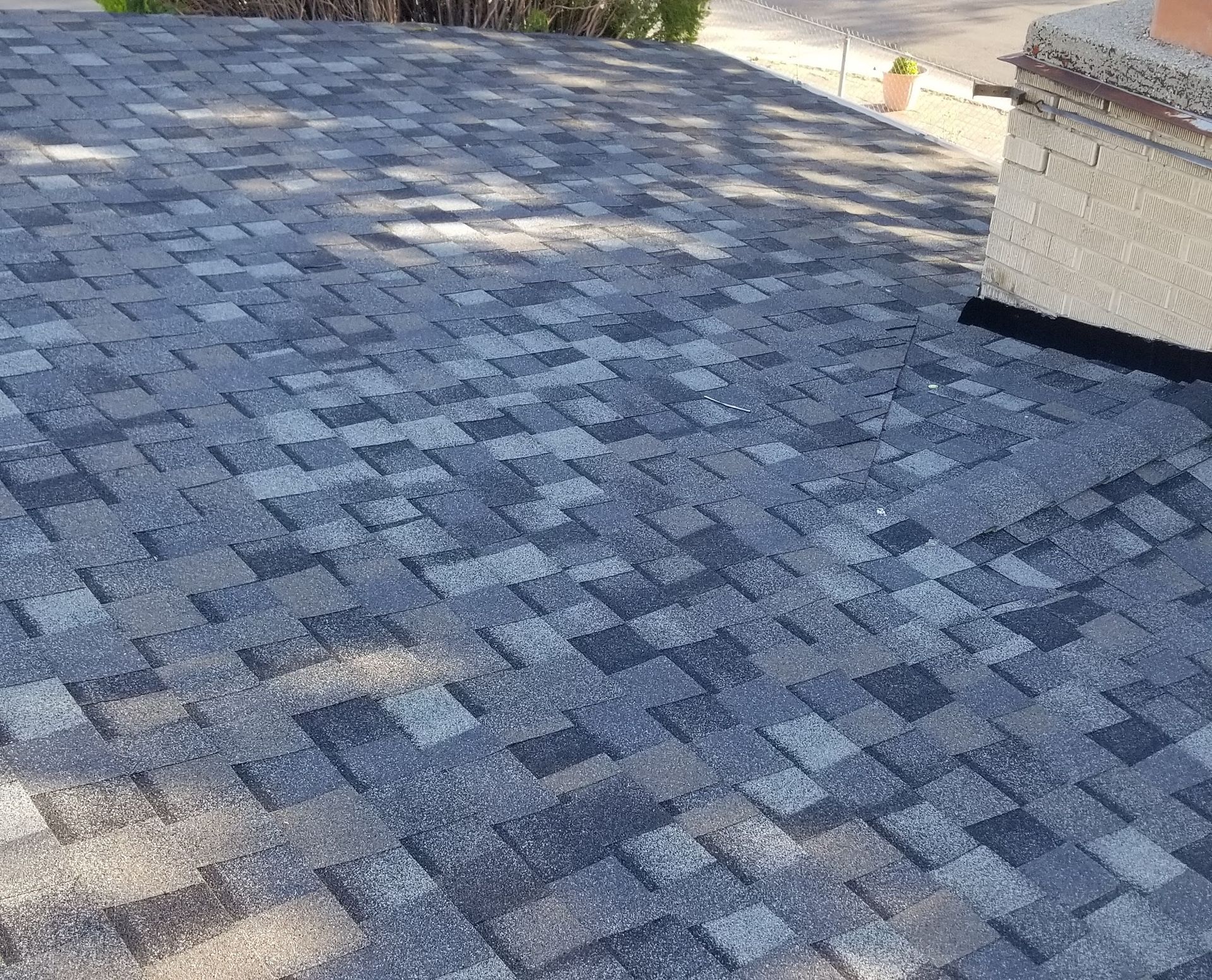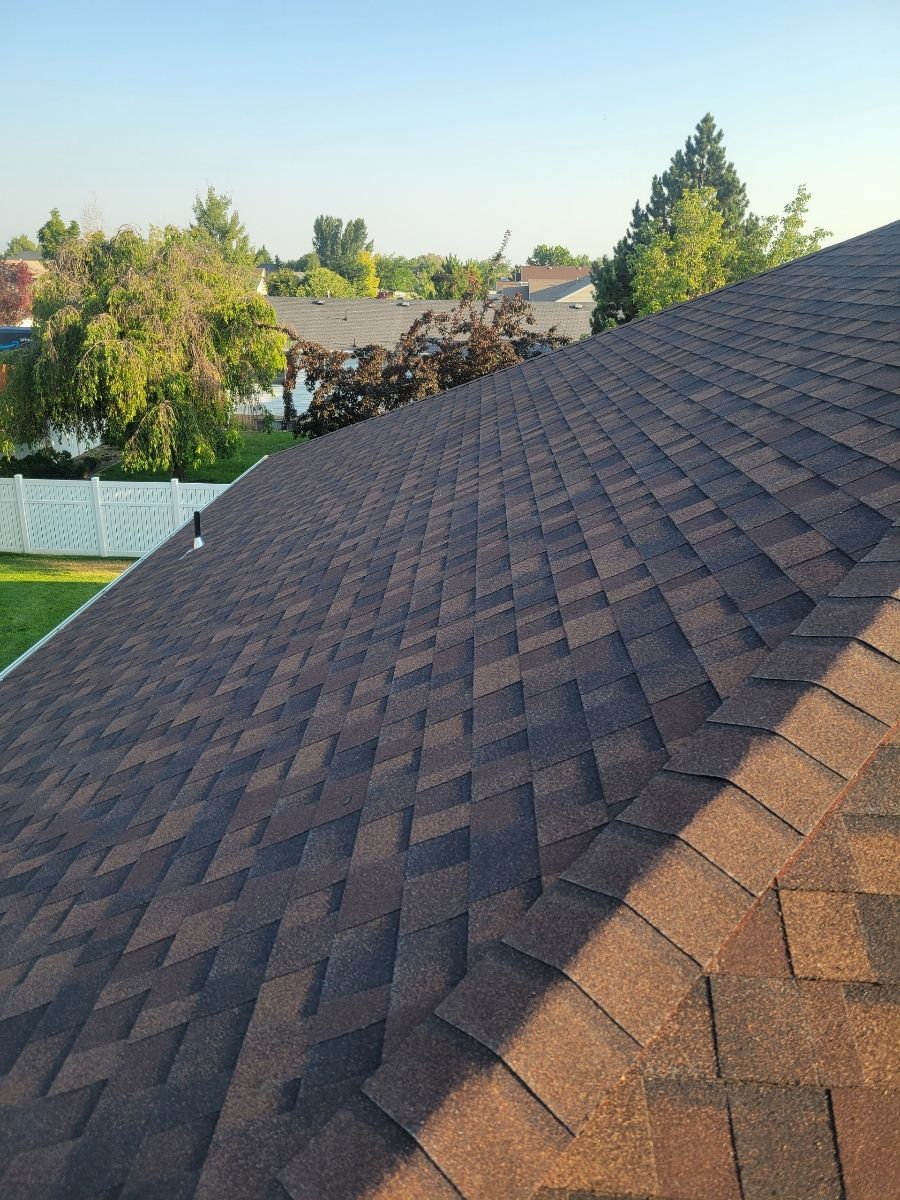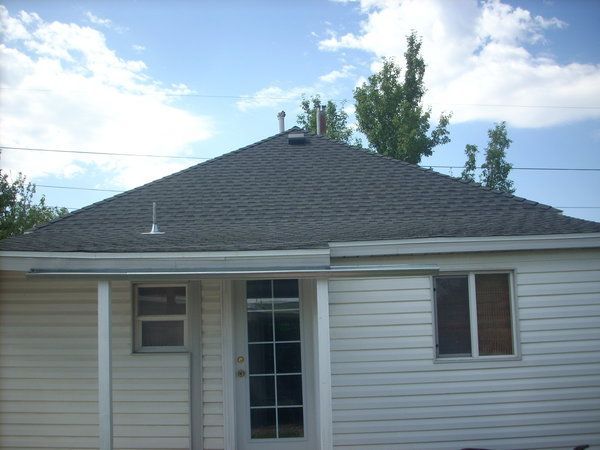
New Construction Roofing in Lehi Built for Utah's Conditions
Lehi's Rapid Development Demands Roofing That Performs, Not Just Passes Inspection
When dealing with new construction timelines in Lehi, roofing is frequently the phase where speed-over-quality decisions get made — and those decisions don't surface until the first or second winter cycle reveals them. High-nailed shingles, undersized ice-and-water membrane runs, and unbalanced ventilation systems are all installation shortcuts that pass a rough framing inspection but fail before the five-year mark. Zaim Roofing installs new construction roofing systems to manufacturer specification on every phase, not just the phases that inspectors happen to observe.
Lehi's development corridor along Silicon Slopes — from Traverse Mountain down through the North Point area — includes a mix of custom builds and production tracts, each with different structural specifications and roofline complexity. High-pitch custom homes with dormers, valleys, and hip-to-gable transitions require more field fabrication at penetration and transition points than a simple gable roof, and those fabricated flashings determine water performance for the life of the structure. Our crews are staffed for this complexity rather than treating it as a deviation from a standard workflow.
When a new construction roofing installation in Lehi is done correctly, the system performs predictably without callbacks, moisture claims, or premature warranty issues through the builder's liability period. Schedule an estimate and discuss your build's specific roofline requirements with our team.
The New Construction Roofing Process in Lehi
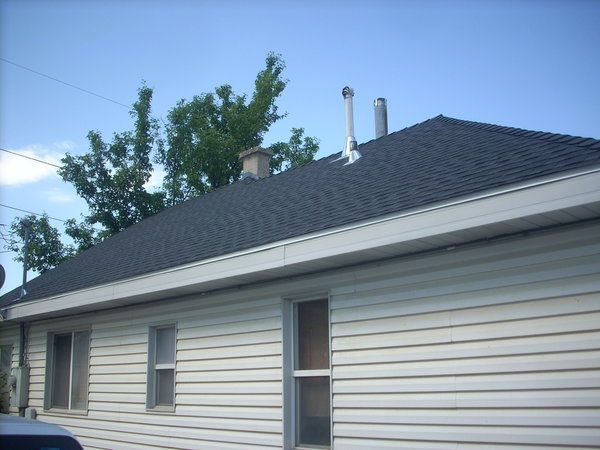
New construction roofing in Lehi follows a phased sequence that requires coordination with the general contractor's framing and mechanical schedule. Roofing begins at dry-in — the point at which the structure must be protected from weather before interior trades begin work — and final installation follows after HVAC and plumbing penetrations are complete. Zaim Roofing manages both phases, ensuring penetration flashings are installed by the same crew that laid the field shingles rather than leaving them to a subcontractor unfamiliar with the system.
- Dry-in underlayment installation with lapped seams sealed at valley intersections to allow framing inspection while keeping the structure weather-protected
- Ice-and-water membrane minimum 36-inch width on all eave lines, extended to 24 inches past the interior wall line per Utah residential code
- Field shingle installation in the manufacturer's specified nail zone with six-nail pattern on roof sections with pitch greater than 7:12
- All penetration flashings installed and sealed before final shingle courses are laid over them, eliminating the exposed-collar condition that generates warranty claims
- Ridge and soffit ventilation sized to NFA ratio for the attic square footage — Lehi's new builds frequently have large attic volumes that require continuous ridge vents rather than box vents to achieve adequate airflow
A properly installed new construction roof in Lehi requires no callbacks during the builder warranty period and no emergency patches before the first owner closes. Get your free estimate and let's scope your project correctly from the start.
What Lehi Builders and Homeowners Should Expect
New construction roofing decisions in Lehi involve evaluating shingle line, underlayment class, ventilation strategy, and penetration management before the first material order. Zaim Roofing works through each of these decisions with builders and custom homeowners alike, providing documentation of specification choices and their performance trade-offs rather than defaulting to whatever reduces the bid price.
- Shingle class selection: Class 4 impact-resistant shingles qualify for insurance discounts in Utah and outperform standard 3-tab products under hail events common to the Wasatch Front
- Underlayment specification: synthetic felt resists tearing during installation and maintains integrity through extended dry-in periods better than 15-lb felt
- Penetration count threshold: roofs with more than 12 penetrations require a fabrication plan, not ad-hoc boot covers — each penetration is a potential failure point if not systematically addressed
- Ventilation balance indicator: when attic temperature in summer exceeds exterior ambient by more than 20°F, ridge vent sizing or soffit intake is undersized
- Lehi's elevation and westerly prevailing winds require starter strip adhesive rated for 110 mph wind zones — a specification that matters most on the west-facing slope of every build
A new construction roofing system built to specification protects every other building system beneath it for decades. Request your free estimate from Zaim Roofing in Lehi and start your project with a roofing scope that performs from day one.